
Consent & Medico-Legal Excellence

When a complaint lands, it is your governance process on trial, not your form.

Most consent in UK private practice is built around a signed form. But the law judges you by a different set of standards. It does not ask whether a form was signed; it asks whether a real consultation happened: the material risks tailored to this patient, the reasonable alternatives discussed, time to reflect, and a contemporaneous record that proves it. The fallacy is assuming that a signed consent form, and the governance procedures you already have, are enough. Cleritas helps you reach that standard of care, through training, audits, governance systems built end to end, and a retainer that means you are supported throughout the complaints process.

0litigations handled by one UK aesthetic insurer, 2020–2024
£0the largest single aesthetics claim in one UK insurer's portfolio
0%of a payout can be legal costs, even when you settle small
Scroll

The same clinic, two possible days

A folder, or a working system?

Being CQC-ready is not the same as being governed. Both of these clinics would pass inspection. Only one of them survives the claim. Follow the three steps and watch what actually makes the difference between owning policies and being protected.

A clinician standing in a cold clinic with their policies filed on the table beside them

Policies on file. Filed, complete, and never tested.

Both of these pass inspection.
Only one of them catches the claim.

A signature is not consent. Claims are rarely lost on the clinical outcome, they are lost on what was, and wasn't, written down. When the letter arrives, two years after the treatment, the only witness that never forgets is your governance process: the record, the photographs, the timed messages, the proof the conversation ever happened.

Exhibit A

Two records. One complaint. Two very different endings.

The same patient, the same delayed-onset nodule, the same solicitor's letter. Drag the seam to change the paperwork, and the ending.

The record they kept The record that defends
INDEFENSIBLE
DEFENSIBLE
CLINICAL RECORDDERMAL FILLER · 1.0 ML · DELAYED-ONSET NODULE · LETTER OF CLAIM AT 19 MONTHS
REF: 2024/0417
PATIENT: MRS A. K.
DISCLOSURE REQUESTED
Consultation notes
"Discussed treatment. Patient happy to proceed." GENERIC
Consultation notes
Concerns re: under-eye heaviness; wedding in eight weeks noted. Tear trough discussed and declined as unsuitable; patient prioritised a natural result. EXHIBIT
Material risks
"Standard risk sheet issued." UNTAILORED
Material risks
Delayed-onset nodules and infection explained, with the warning signs and when to make contact; bruising accepted against the event timeline. Patient's questions and answers recorded. EXHIBIT
Reasonable alternatives
NOT DOCUMENTED
Reasonable alternatives
Options recorded: no treatment, skin boosters, filler. Clinical reasoning for the recommendation documented. EXHIBIT
Cooling-off
Consultation and treatment: same appointment. SAME-DAY
Cooling-off
Consultation 3 March; treatment 14 March. Reflection period documented: 11 days. EXHIBIT
Photographs
NONE ON FILE
Photographs
Pre-treatment series stored with the record; consent to photography signed. EXHIBIT
Batch, dose & sites
"Filler, 1 ml." INCOMPLETE
Batch, dose & sites
Batch H1247-B, exp 03/28; 0.5 ml per nasolabial fold; injection map appended. EXHIBIT
Consent
Signed by patient.
Consent
Signed by patient and treating clinician after a recorded discussion. EXHIBIT
Settled. £13,000 in damages, £53,000 in legal costs, and a premium loaded for years. Defended. The record answered every question before it was asked. The claim was not pursued.

Drag the seam · hover any line to hear how it reads in court

A lone clinician within a vast geometric system, representing the medico-legal landscape
One clinician. A whole system built to test the record.

The Problem

The law evolved. Most paperwork never caught up.


Montgomery v Lanarkshire (2015) changed the legal test: consent is no longer what a reasonable doctor would disclose, it is what a reasonable patient would want to know, and what this patient in front of you would attach significance to.

Signing a consent form is not the legal requirement. The requirement is the consent process, and the record is what proves that process happened. So how much does a signature on a generic form actually prove? On its own, very little.

This is a long way from where the law began. Before Bolam v Friern (1957), the doctor's word was effectively unquestioned; Bolam made "a responsible body of medical opinion" the yardstick, and Montgomery moved that judgement to the patient. A claim still needs a clinical shortfall to get off the ground, but whether it becomes a claim, and whether it succeeds, is decided by the record. If yours shows a dialogue, tailored risks, the alternatives weighed and time to reflect, the claim struggles. If it shows a tick-box, the negotiation starts at your expense.

This is the ground our medico-legal expert witness, Professor Irfan Jeeva, works on every week, and the standard every Cleritas system is built to meet.

What Montgomery actually requires
Claims are rarely driven by clinical error alone. Far more often they turn on unclear communication, poorly documented consent, and a mismatch between what the patient expected and what they got.
Reflecting Hamilton Fraser, on three decades of aesthetic claims data

The Numbers Behind the Risk

The exposure is measurable. So is the defence.

0complaints about unregistered practitioners reported to Save Face in a single yearSave Face, 2022
0medical aesthetic practitioners now operating across ~5,600 UK clinicsASJ Open Forum mapping study, 2026
0%of those complaints involved dermal fillers, the everyday treatment, not the exotic oneSave Face, 2022
2026the year England's licensing scheme moved from proposal to draft regulations, consultation on the highest-risk tier began this summerDHSC / Hansard, June 2026

What We Do

Six ways in. One standard of defensibility.

Every service exists to answer the same question: if this patient complained tomorrow, would your records defend you?

I

Workshops & Training Days

In-person medico-legal training built for injectors and clinic teams. Case-based, uncomfortable in the right places, and immediately usable in Monday's clinic.

Explore workshops →
II

CPD Programmes & Events

Structured, recurring CPD in medico-legal practice, for aesthetic practitioners and a dedicated ophthalmology programme with solicitor and expert-witness faculty.

See the programmes →
III

Consent Audit & Assessment

We score your consent forms, process and record-keeping against Montgomery and regulator guidance, and show you exactly where a claimant solicitor would start.

Book an audit →
IV

Done-With-You Review

Your forms, our framework. We rebuild your consent documentation with you, treatment by treatment, so your team understands every clause it asks a patient to sign.

How it works →
V

Done-For-You Consent Systems

The complete build: consultation framework, treatment-specific consent suite, cooling-off protocol, record-keeping standards. You practise; we make it defensible.

See what's included →
VI

The Cleritas Retainer

A complaint at 6pm on a Friday should not be faced alone. Ongoing coaching, document review and a structured first-response pathway, before you ever need your insurer.

Retainer details →
Regulation is no longer hypothetical. Practitioners who can evidence their standards will experience licensing as an administrative step. Those who can't will experience it as a wall.

England's Licensing Scheme

The rules are being written now.

In August 2025 the government confirmed a traffic-light licensing scheme for non-surgical cosmetic procedures. Consultation on the highest-risk tier began in summer 2026. The scheme is not expected to take full effect until around 2028, but the standards you will be judged against are being written now, which is exactly when it pays to get ahead of them.

Green: Lower Risk

Procedures such as microneedling and lighter chemical peels. Licensed practitioners meeting agreed standards, documentation still your first line of defence.

Amber: Includes Toxins & Fillers

Botulinum toxin and dermal fillers land here. Local-authority licensing, with non-healthcare practitioners working under the oversight of a named regulated healthcare professional.

Red: Highest Risk

Procedures such as liquid BBLs restricted to suitably qualified healthcare professionals in CQC-registered settings. Draft regulations consulted on first, in 2026.

60-Second Self-Check

How exposed are you, right now?

Five questions. No email required. Answer honestly, the only person who sees the result is you.

Choose Your Depth

Do it yourself. Do it with us. Or hand it to us.

Three tiers, one destination: a consent process that would stand up in front of a claimant solicitor, your regulator, and your insurer.

Do It Yourself

Templates & Training

From £30 per template

  • Treatment-specific consent templates, built to UK standards
  • Interactive PDF and editable Word formats
  • Workshops and CPD events to build your own capability
  • Free resources in the Insights library
Browse the library
Done For You + Retainer

Full System & Support

From £249 /month retainer

  • Complete consent system designed and built end to end
  • Annual review cycle as guidance and case law move
  • Structured complaint first-response support
  • Priority access to every Cleritas event
Retainer details

Cleritas provides education, documentation and coaching. We are not a law firm, an insurer or an indemnity provider, we make sure you get full value from yours.
See it for yourself

Two interactives. Three minutes each.

Consent law stays abstract until you watch it decide a case. These two walk you through it, one scroll at a time.

From the Insights Library

Reading that could change how you consent on Monday.

Case Law

Montgomery, ten years on: what "material risk" means in an aesthetics consult

The 2015 judgment rewrote consent. Most aesthetic consent forms haven't caught up.

Read the article →

Regulation

The England licensing scheme: a practitioner's timeline

Traffic-light tiers, CQC registration for red procedures, and what to have in place before the applications open.

Read the article →

Claims

Why claims are lost on paperwork, not outcomes

Legal costs can dwarf damages. The pattern across a thousand aesthetics claims, and the documentation that breaks it.

Read the article →
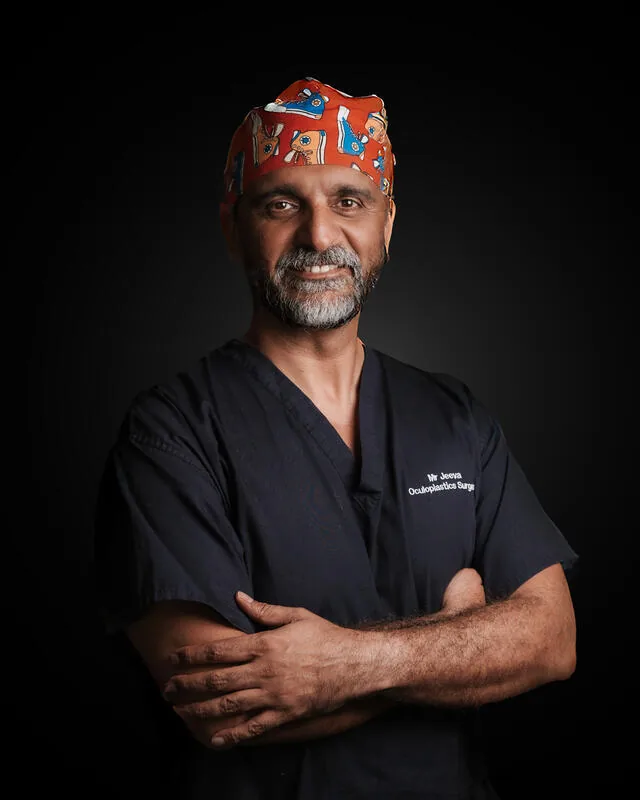
Professor Irfan Jeeva, Consultant Oculoplastic Surgeon and medico-legal expert witness

The expertise behind it

Guided by a medico-legal expert witness.


Cleritas is clinician-founded and shaped with Professor Irfan Jeeva, Consultant Oculoplastic Surgeon and medico-legal expert witness. He has read the files from both sides of a claim, so the standards we teach are the ones that actually hold up when a case is examined.

"The consent form is not the legal requirement. The consent process is. The form is simply one of the ways you show the process was followed."Professor Irfan Jeeva, medico-legal expert witness
Meet the faculty

Founding Cohort

The first Cleritas events and retainer places open soon. The waitlist opens now.

Places in the founding cohort are limited because every consent system we build is clinician-reviewed. Join the waitlist for first access to workshop dates, the ophthalmology CPD programme and founding-member retainer pricing.

Sources

  1. Litigations handled (1,096, 2020–2024), the £1.59m largest single claim, and legal costs reaching up to 82% of a payout: Hamilton Fraser, aesthetic malpractice claims data (2024–25 claims-trends review and 30 Years of Claims, 2025).
  2. 2,824 complaints about unregistered practitioners in one year, and 69% involving dermal fillers: Save Face, Annual Complaints Report (2022).
  3. 20,000+ medical aesthetic practitioners across ~5,600 UK clinics: Aesthetic Surgery Journal Open Forum, UK mapping study (2026).
  4. England non-surgical cosmetic licensing scheme, tiers and 2026 consultation dates: Department of Health & Social Care / Hansard (2025–2026).

Figures are cited for illustration of sector-wide risk and are not specific to any named case. Anonymised insurer data is reported by the insurer and cannot be traced to an individual claim.

Readiness Score